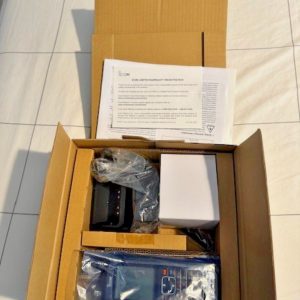
:::writingvariant="document" id="58314" ICOM IC-A25N Handheld NAV/COM Transceiver w/ Bluetooth – Open Box: Advanced Pilot Communication The ICOM IC-A25N Handheld NAV/COM Transceiver w/ Bluetooth – Open Box is a versatile communication and navigation device for pilots, flight instructors, aircraft operators, aviation students, and ground personnel who require dependable portable radio capability. For budget-conscious pilots, an open-box radio may provide a practical balance between modern functionality, reliable construction, and competitive purchase value. The ICOM IC-A25N Handheld NAV is suitable for users who want portable access to communication and navigation-related functions during flight preparation, cockpit operations, instruction, emergency planning, or airport ground activities. An ICOM IC-A25N Aviation Radio can support communication between pilots, air traffic services, flight instructors, ground personnel, and other aviation users where authorized. A portable ICOM IC-A25N Handheld Radio supports flexible aviation operations because it can remain with the pilot rather than being permanently installed in one aircraft. As a Handheld NAV/COM Aviation Transceiver, the unit combines portable communication with navigation-related functions in one organized device. Whether a buyer is sourcing a Handheld Aviation Radio, Aviation NAV/COM Radio, Pilot Handheld Radio, or Aircraft Communication Radio, actual operating needs should guide the selection. The unit may also serve as a Portable Aviation Transceiver, Aviation Communication Device, Handheld Aircraft Radio, Aviation Navigation Radio, ICOM Pilot Radio, Emergency Aviation Radio, or Backup Aircraft Radio for appropriate aviation applications.
Key Benefits of the ICOM IC-A25N Transceiver
The radio’s portable construction allows it to support aircraft operations before departure, during flight, after landing, or while personnel are working around the airport. Its practical value comes from combining mobility, recognizable controls, aviation-focused operation, rechargeable power, and multiple communication or navigation functions. The radio may perform very effectively in some environments while experiencing reduced range inside certain aircraft or buildings. Training with the device can reduce delays and confusion when rapid communication becomes necessary.ICOM IC-A25N Handheld NAV Features
An ICOM IC-A25N Handheld NAV may help pilots monitor frequencies, organize flight-related information, and maintain portable communication capability. Aircraft owners may keep the radio available when maintenance temporarily removes power from installed communication equipment. Pilots should verify information using suitable aviation references and avoid relying on one portable device for every navigation decision. A complete preflight review can confirm that the radio is charged, configured, accessible, and ready to support the planned operation.ICOM IC-A25N Aviation Radio Applications
The radio may be useful to pilots operating aircraft with limited avionics, temporary communication problems, or different cockpit configurations. Maintenance providers may monitor aviation activity while working outside the aircraft or coordinating ground movements. Buyers should consider the radio’s physical condition, battery age, charging equipment, antenna, clips, headset accessories, manuals, packaging, and evidence of proper operation. Testing should occur in a lawful and appropriate manner without creating unauthorized transmissions or interfering with aviation communications.ICOM IC-A25N Handheld Radio Convenience
A compact radio can remain in a flight bag alongside headsets, charts, flashlights, batteries, and other essential pilot equipment. Battery contacts, charging ports, headset connections, controls, and the display should remain free from dirt, loose objects, and contamination. Portability also allows the radio to be charged and configured away from the aircraft, helping pilots prepare frequencies and settings before entering the cockpit. Careful handling allows a portable aviation radio to remain a dependable part of the pilot’s equipment inventory.Handheld NAV/COM Aviation Transceiver Benefits
The integrated format can reduce the need to carry separate handheld receivers for several common aviation tasks. Commercial value depends on condition, package completeness, included equipment, seller support, and the cost of any missing accessories. A brief function check can identify weak battery performance, loose accessories, damaged connectors, or configuration problems before departure. The antenna, battery, charger, headset adapter, belt clip, and other accessories should remain organized with the radio.Handheld Aviation Radio Applications
Handheld radios provide communication flexibility where panel equipment is unavailable, temporarily unpowered, difficult to access, or assigned to another aircraft. Pilots should avoid assuming that an unused radio stored for years will operate correctly without battery care and periodic testing. Accessories such as approved headset connections or suitable external antenna arrangements may influence convenience and performance. Responsible communication protects aviation operations and helps users gain the full value of a professional handheld radio.Aviation NAV/COM Radio Applications
The combined platform can be useful during training because students can explore aviation radio functions with one portable device. A portable radio should support cockpit management rather than add unnecessary workload. Users should distinguish between convenience features, backup capability, training value, and equipment required for a particular flight. A structured preflight routine helps the Aviation NAV/COM Radio deliver reliable and practical support.Pilot Handheld Radio Benefits
Flight instructors may value a handheld unit for monitoring, demonstration, backup, and coordination during ground or flight-training activities. The microphone, antenna, cables, headset adapters, and charger should be stored so they do not become tangled or damaged. Regular familiarity helps users recognize abnormal operation, weak batteries, damaged controls, or missing accessories early. Responsible power management is central to maintaining a dependable Pilot Handheld Radio.Aircraft Communication Radio Benefits
The IC-A25N can become part of an organized communication strategy for private pilots and aviation businesses. Clear communication depends on more than radio quality because users must understand procedures, frequencies, terminology, timing, and radio discipline. Buildings and hangar structures can also reduce radio performance during ground use. A cracked housing, loose antenna connection, damaged battery latch, or unreliable control can affect usability even when the radio still powers on.Portable Aviation Transceiver Applications
Portability is valuable when users need one radio across several airplanes, buildings, vehicles, or operational locations. Charging equipment should be identified clearly and kept with the correct radio and battery system. Users should understand how to disconnect or change the wireless connection if audio is routed incorrectly during operation. Bluetooth settings can be reviewed during preflight preparation and confirmed before the aircraft begins moving.Choosing an Aviation Communication Device
An Aviation Communication Device should provide clear operation, accessible controls, dependable power, suitable audio, and practical compatibility with the user’s aviation environment. An open box may result from display, return, inspection, testing, damaged packaging, or another non-operational reason. Professional users may maintain records of radio assignment, charging, inspections, damage, accessory inventory, and battery replacement. A radio configured for one headset or training environment may need adjustment before being issued for another application.Handheld Aircraft Radio Applications
Flight instructors can carry the radio during aircraft walkarounds, ramp exercises, and selected student-training activities. Using the radio on the ground can preserve aircraft battery power and reduce the need to energize installed avionics solely for monitoring or coordination. A planned storage position supports fast retrieval while protecting the radio and aircraft interior. The radio should be cleaned only with suitable methods that do not damage the display, housing, seals, labels, or controls.Aviation Navigation Radio Benefits
The IC-A25N may appeal to pilots who want more than communication capability from their handheld flight-bag radio. Competent use comes from practice, realistic expectations, and integration with established navigation procedures. The device should become part of a layered navigation and communication strategy rather than the sole source of critical information. Users should remove outdated memories or clearly organize frequencies to reduce confusion during operation.ICOM Pilot Radio Applications
The IC-A25N provides a combination of communication, navigation support, Bluetooth connectivity, and portable power suitable for varied aviation roles. Even a well-regarded radio should be tested for power, audio, charging, display, controls, battery condition, and physical damage. The device should support the pilot’s normal workflow rather than requiring accessories or procedures that are inconvenient or incompatible. Periodic practice ensures that the user remains confident with essential functions as time passes.Emergency Aviation Radio Preparedness
A handheld radio may support a pilot’s response to an abnormal situation by providing portable communication capability independent of the main panel system. A written quick-reference guide may help, but it should remain simple enough to use without creating distraction. Redundancy is strongest when the user has more than one practical method of hearing and transmitting with the device. Emergency equipment checks can be scheduled with annual inspections, proficiency reviews, seasonal preparation, or flight-bag audits.Choosing a Backup Aircraft Radio
Backup equipment can be particularly valuable during cross-country operations, aircraft delivery, training, rental flying, or travel in older aircraft. The radio should be included in preflight equipment checks appropriate to the planned operation. A simple and familiar arrangement is generally more useful during an abnormal situation than a complicated setup that has not been practiced. The handheld radio should support safe aircraft management rather than draw attention away from immediate flight responsibilities.ICOM IC-A25N Open-Box Condition Guide
An open-box ICOM IC-A25N should be inspected for cosmetic condition, display quality, button response, antenna security, battery fit, connector condition, and evidence of previous use. The seller should identify whether original packaging, manuals, warranty materials, and product registration documents remain available. A complete demonstration can provide valuable confidence for buyers who cannot inspect the radio in person. The buyer should inspect the radio promptly after delivery and report any missing items, damage, or functional concerns according to the agreed terms.Maintaining a Portable NAV/COM Transceiver
The radio should be inspected according to usage frequency, storage duration, operating environment, and the importance of its backup role. Maintenance should be completed before the radio is needed for an important flight or emergency role.- Review the complete package and remove the radio from backup service if physical or electronic condition is uncertain.
- Review essential controls on the ground so the radio can be operated confidently without unnecessary cockpit distraction.
- Use a protective case or dedicated flight-bag compartment so the radio remains accessible, complete, and free from damage.